Why Rechargeable Disposables Last Longer Than You Think
Puff counts on disposable vapes have climbed from a few thousand to six figures, and almost every high-capacity device now ships with a charging port. That combination confuses the value calculation. A rechargeable device is not simply "bigger"; it removes the bottleneck that used to end a device early, which is why the printed puff rating on these models is closer to achievable than it was on sealed ones. Here is what actually happens inside, and how to get the number you paid for.
The Bottleneck Is Usually the Battery, Not the E-Liquid
A disposable vape has two consumables that run out independently: the e-liquid in the tank and the charge in the cell. On a sealed device, whichever runs out first ends the device. In practice that is often the battery, because a small cell driving a coil at high output cannot sustain the same number of puffs as the tank can supply.
Once you add a charging port, the battery stops being a hard limit and becomes a recurring cost instead: a few minutes on a cable every day or two. The e-liquid becomes the real ceiling, and the label's puff count starts to describe the tank rather than a best case for the cell.
What "Rechargeable" Changes in Practice
The important shift is that you no longer ration the last third of the device. On a sealed 5,000 puff model, the final day or two often tastes weak because the cell is sagging, not because the liquid is gone. On a rechargeable 20,000 puff model, a weak hit in the evening is a charging prompt rather than the end of the device.
That also changes how the device ages. Sealed devices tend to decline in a straight line: flavour fades as the tank empties and the cell weakens at the same time. Rechargeables hold their output much longer, then drop off over the final stretch of the tank, which is why a well-used rechargeable often tastes better on day ten than a sealed device tastes on day three.
Puff Ratings Assume a Specific Draw
Every puff number on a box assumes a draw length, usually a short one, and a power setting. Two vapers using the identical device can legitimately get very different totals. A tight draw at low output uses less liquid per puff; a fully open draw at maximum power can consume meaningfully more.
That is not a reason to distrust the rating, but it is a reason to read it as a class rather than an exact figure. Treat 20,000 and 35,000 as tiers that tell you roughly how long the tank will last at moderate use, and expect your own number to land above or below depending on how you vape. If you want the rating to hold, keep draws short and avoid holding the button, where a device has one, for longer than you need.
USB-C Charging: Habits That Protect the Cell
Charge before it is completely dead
Repeatedly running a cell to zero and then charging it is harder on it than topping up. If the flavour weakens or the indicator drops low, charge it then rather than waiting for the device to stop firing.
Do not vape while charging
Charging generates heat and so does vaping. Doing both at once stacks the two, and heat is the main thing that shortens lithium cell life. Fifteen minutes on the cable is usually enough to get back to a working charge.
Use a sensible adapter
A standard 5V phone charger is the right match for these devices. High-wattage fast chargers do not make a disposable charge faster in any useful way, and a damaged cable is a common cause of a device that will not accept a charge at all.
Reading Battery and Liquid Indicators
Higher-capacity devices increasingly show two separate readings, and mixing them up is the most common reason people think a device has failed.
A battery indicator tells you how much charge is left: a percentage on a small screen, a colour-changing light, or a bar. A liquid indicator tells you how much e-liquid remains, usually as a level in a window or a second bar. If the screen shows 60% battery and the device still tastes thin, the liquid is the constraint, not the cell; charging will not help. If the liquid window looks half full and the device will not fire, the cell is the problem.
Getting the Whole Tank Out of a Device
- Use the lower power mode for everyday vaping. It uses less liquid per puff and makes the tank last longer than the same number of puffs at maximum output.
- Keep draws short. A three-second pull at moderate power is more efficient than a six-second pull at high power.
- Charge early and often rather than deep-cycling; a cell kept in the middle of its range holds up better.
- Store the device upright so liquid stays near the coil instead of pooling in the airway.
- Do not leave a rechargeable device in a hot car. Heat degrades both the liquid and the cell at once.
When a rechargeable still dies early
Occasionally a device ends well before its rating and the cause is mechanical rather than a matter of habits. A coil that tastes burnt within a day usually means the wick never fully saturated, which can happen if a device was stored on its side for a long time. A device that will not charge at all after trying a known-good cable and adapter has a port or cell fault.
A leak around the mouthpiece, or liquid visible in the airway, points to a seal problem. None of these are storage or usage issues you can fix, and a device that shows them is a return rather than something to keep puffing through.
Cost Per Puff: The Math
Because prices and capacity are both listed, the comparison is arithmetic rather than opinion. Cost per 1,000 puffs is price divided by puffs, multiplied by 1,000, using the label figure. It is a rough measure, not a promise, but it ranks devices honestly.
| Device | Price | Label puffs | Cost per 1,000 puffs |
|---|---|---|---|
| Infinity Lean 20K | $20.99 | 20,000 | $1.05 |
| AiRMEZ 20K | $26.99 | 20,000 | $1.35 |
| RELX Creator 35K | $21.99 | 35,000 | $0.63 |
| CoolMax UI 35K | $33.99 | 35,000 | $0.97 |
| WAKA Optimus 120K | $31.99 | 120,000 | $0.27 |
The pattern is consistent: capacity is what moves cost per puff, not brand. The 20,000 puff vapes and the 35,000 puff vapes collections sit in the same range as ordinary mid-capacity devices, while the top of the disposable vape category lands far cheaper per puff because the hardware cost is spread over far more liquid. A $31.99 WAKA Optimus 120K is not expensive; it is a bulk purchase.
The counterargument is real: a 120,000 puff device is a commitment, and if you dislike the flavour you are stuck with it. That is why the cheapest route for a first-time buyer is often a smaller device to confirm the flavour and draw, then a high-capacity one once you know what you like.
Frequently Asked Questions
Do rechargeable disposables actually last longer than sealed ones?
Yes, in the sense that matters: the battery stops being the limiting factor. A sealed device ends when either the liquid or the charge runs out, and that is often the charge. A rechargeable keeps going until the tank is empty, so more of the liquid you paid for actually gets used.
How often do I need to charge a rechargeable disposable?
It depends on capacity and how you vape. A high-capacity device used moderately typically needs a top-up every day or two, while a smaller rechargeable may need one daily. Short draws at a lower power setting reduce how often you reach for the cable.
Is it bad to leave a rechargeable vape plugged in overnight?
It is not the main risk, but it is not ideal. These devices charge quickly, and leaving one connected for hours after it is full adds unnecessary heat. Charge it while you are awake and unplug when the indicator shows full.
Why does my rechargeable vape taste burnt when the battery is full?
A burnt taste with a full battery usually points to the coil rather than the power. Either the wick is not saturated, which happens after a device has been stored on its side, or the coil has reached the end of its life. Charging will not fix either case.
More Articles
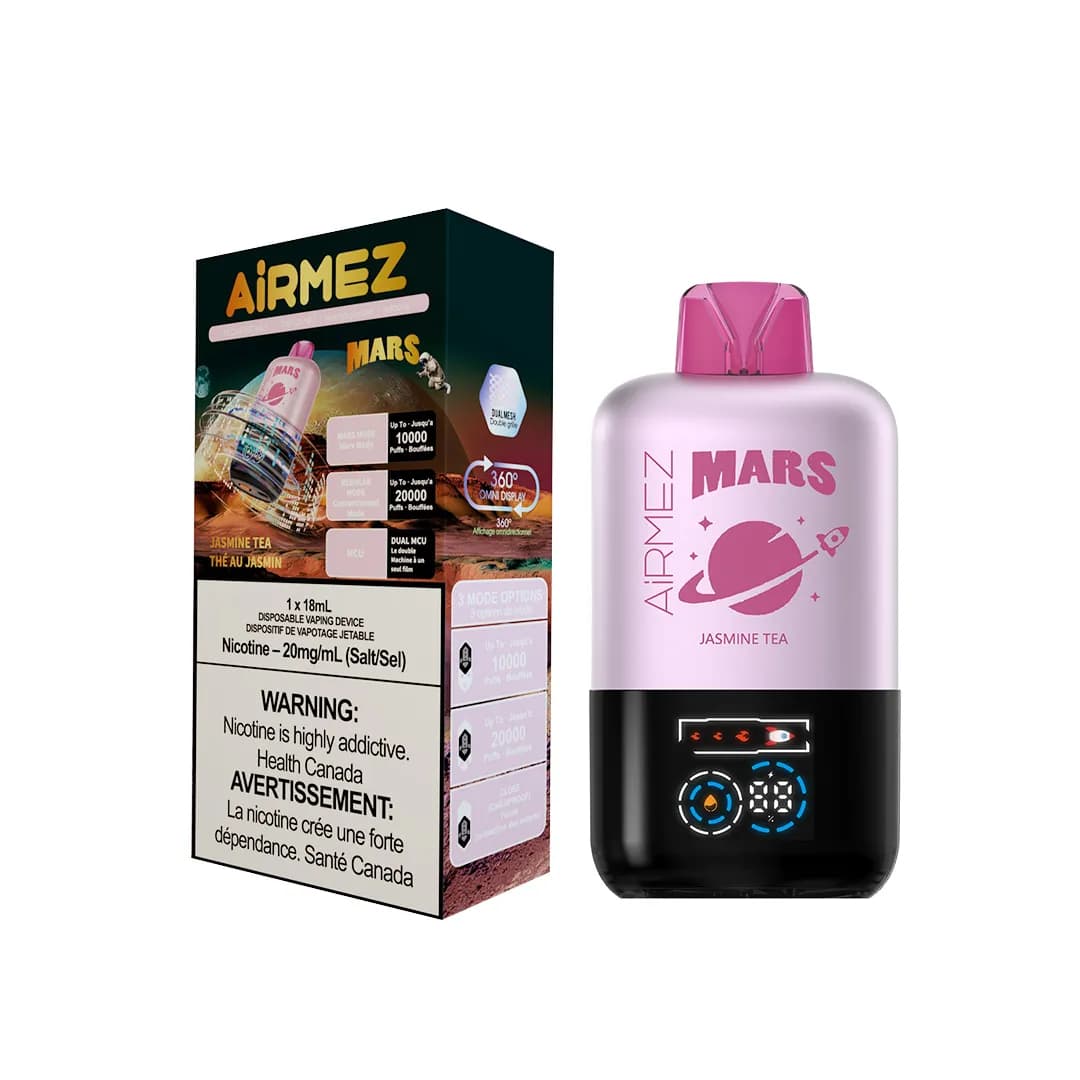
Tea-Flavored Vapes: The Ultimate Guide to 27 Premium Tea Vape Flavors
Discover 27 premium tea-flavored disposable vapes from AiRMEZ, iMiX, Tovi Zero & SP2S. Jasmine, Oolong, Longjing, Matcha & more. Compare brands, flavors & puff counts.
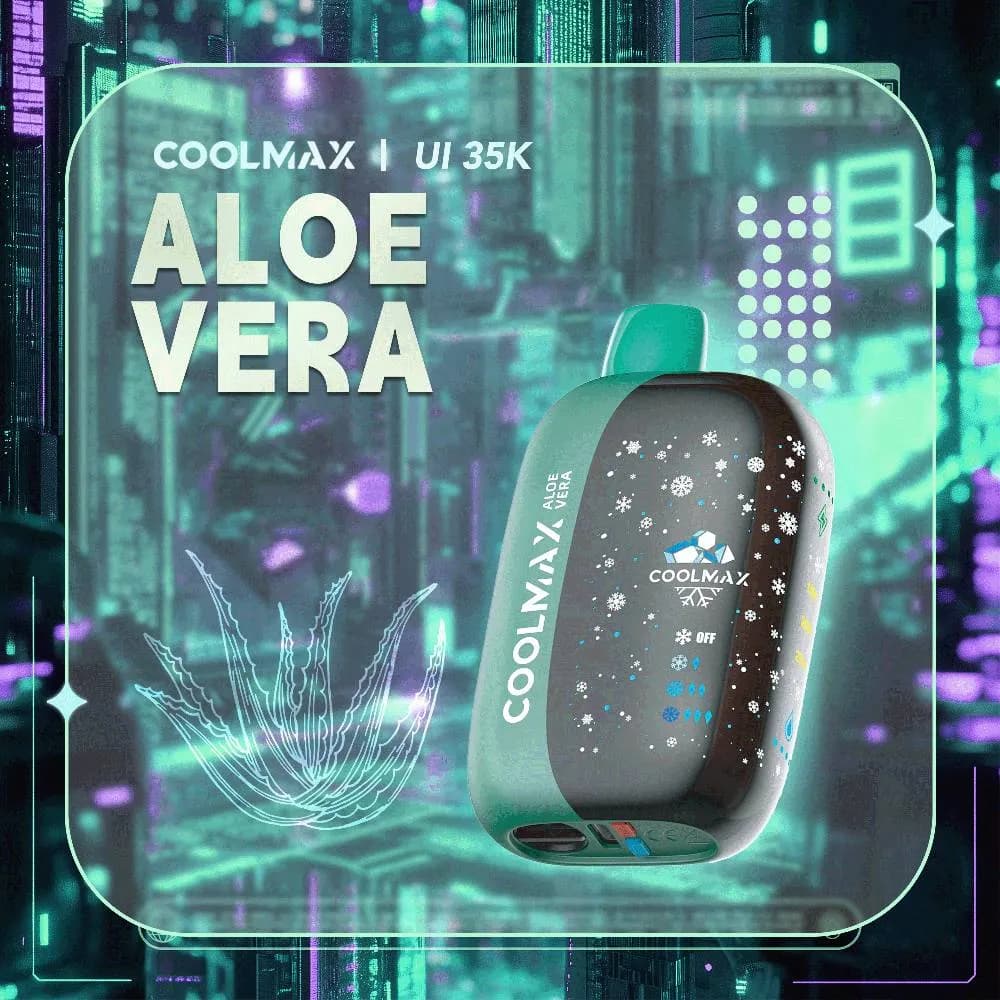
Best Disposable Vapes in Canada 2026: Top Picks by Puff Count
Discover the best disposable vapes in Canada for 2026. From 5,000 to 70,000 puffs, we compare FUJI, CoolMax, AiRMEZ, iMiX, Tovi Zero and more.
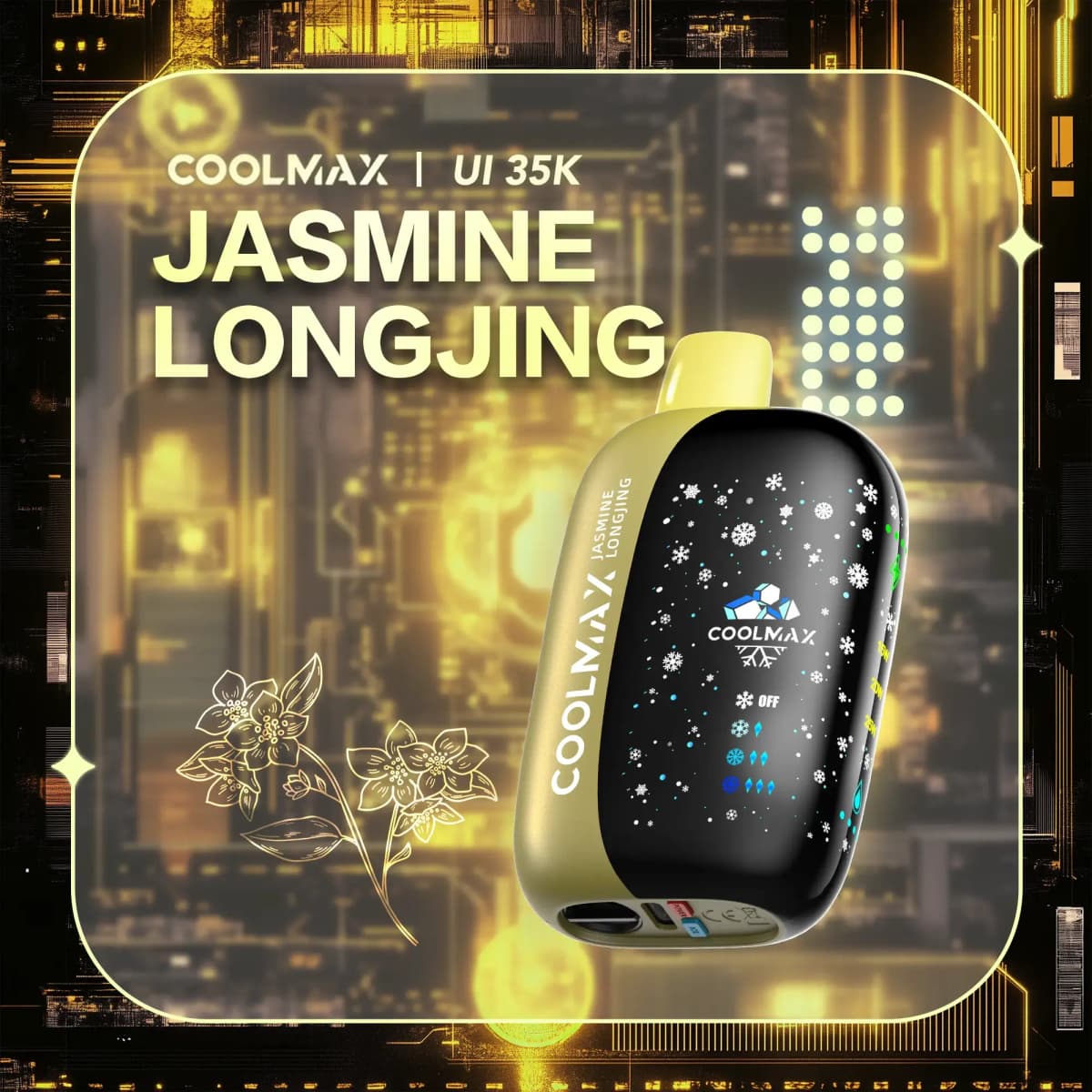
How to Use Ice Control, Airflow & Coil Settings on Your Disposable Vape (2026 Guide)
How adjustable ice control, airflow and mesh coils actually change your vape — settings explained for Canadian disposable vape users.
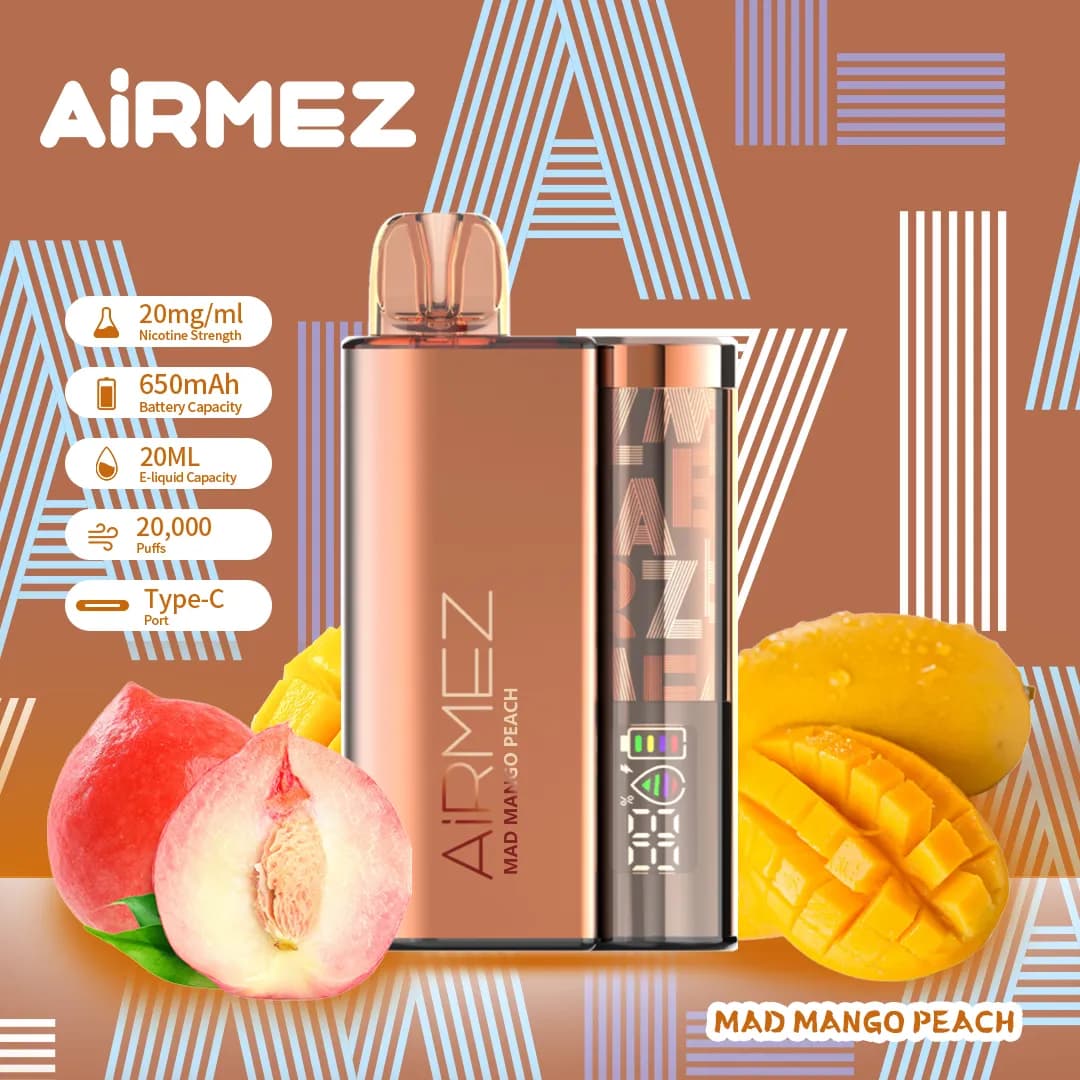
Best Fruit-Flavored Disposable Vapes in Canada 2026: 40+ Flavors Ranked
The best fruit vape flavours in Canada for 2026 — watermelon, mango, lychee and berry picks from $13.99, with puff counts and nicotine strength compared.

Best Mint & Ice Disposable Vapes in Canada 2026: 15+ Cooling Flavors Ranked
The coldest mint and ice vape flavours in Canada for 2026 — from mild cooling to extreme menthol, with devices, prices and puff counts compared.
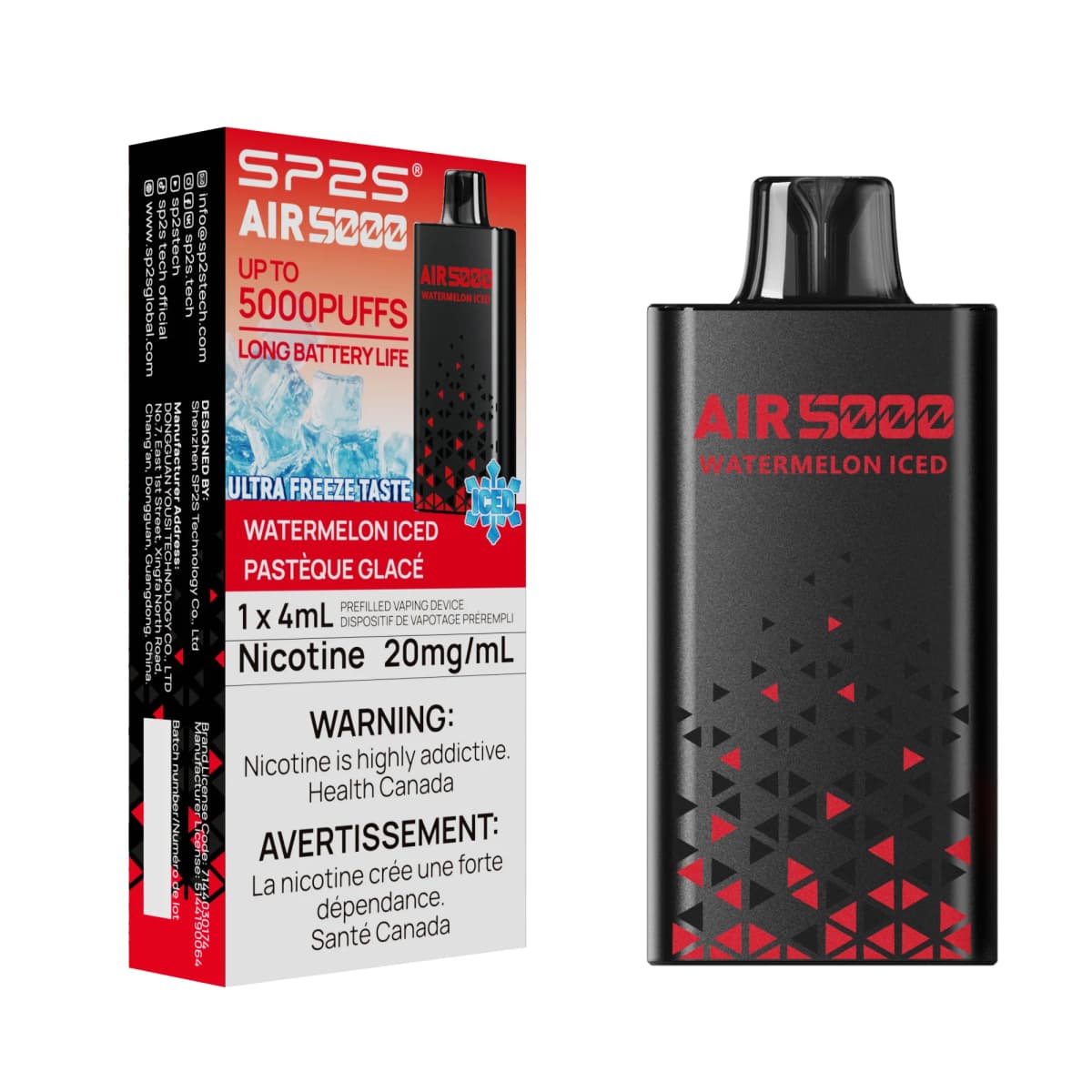
SP2S Air 5000 Review: All 12 Flavors Ranked by a Real User
Honest SP2S Air 5000 review — we tested all 12 iced flavors and ranked them. 5,000 puffs, 13mm ultra-slim body, mesh coil. See which flavor wins in Canada 2026.
