
2% vs 1.8% Nicotine: What the Canadian Limit Actually Means
The two labels look like a rounding difference and behave like two different products. In Canada, 2% is not a brand preference. It is the legal ceiling, and 1.8% sits just under it. The ten percent gap in nicotine matters far less than what the device does with it. This guide explains what each figure means in mg/mL, why a Canadian shelf stops at 2%, why some lines are built at 1.8% anyway, and how to choose between the low nicotine range and the stronger end of what we can legally sell.
What the percentages actually mean
Nicotine strength on a vape label is a concentration: mass of nicotine per volume of liquid. Convert by multiplying the percentage by ten.
| Label | Concentration | Where it sits |
|---|---|---|
| 1.8% | 18 mg/mL | 2 mg below the federal cap |
| 2.0% | 20 mg/mL | the federal maximum in Canada |
A 30 mL bottle at 2% contains 600 mg of nicotine in total. That is arithmetic, not a claim about what you absorb. The percentage says nothing about how much nicotine leaves the device per draw, because that depends on how much liquid the coil vaporises.
The federal cap: 20 mg/mL
Health Canada limits the nicotine concentration in vaping products sold in Canada to 20 mg/mL, which is what 2% means on a label. Nothing stronger can legally be sold to consumers here, whether it is a sealed disposable, a refillable pod or a bottle of e-liquid. That single rule explains most of what you see on Canadian shelves: no 3%, no 5%, no 50 mg/mL salt bottles. The cap applies to every format, not to disposables alone.
It also gives you a fast way to spot a bad listing. A Canadian retailer advertising 5% disposables is either selling grey-market stock or mislabelling its product. Neither is worth your money, and neither is something a compliant store can do.
One consequence is worth spelling out. Our high nicotine category collects the devices built to the top of the legal range, and in Canada that means 20 mg/mL. The name describes where a device sits inside the legal band, not a strength above it. Every product page lists the exact concentration, so you can check the number rather than the shelf label.
What the cap does not do is control your total intake. It limits concentration per millilitre, not the number of draws you take, and it does not limit device output. A mild device used constantly can deliver more nicotine in a day than a strong one used twice. If intake is what you care about, watch your draw count as well as the percentage.
Why some devices print 1.8%
- Brand formulation. Some lines were designed around 18 mg/mL and kept that recipe for the Canadian market.
- Market overlap. A device sold in several countries may be built to a strength that clears every cap it meets.
- Labelling convention. A liquid mixed near 19 mg/mL may be printed as 1.8% or 2% depending on the brand's rounding.
1.8% is not a loophole, a special Canadian edition or a weaker class of product. It is a maker's choice, and it is fully legal. In practice the difference you feel between a 1.8% device and a 2% device is often smaller than the difference between two 2% devices from different series, which is why strength alone is a poor way to pick a device.
Why 1.8% can hit harder than 2%
Nicotine delivery per draw is concentration multiplied by the volume of liquid vaporised. A device that puts out more vapour at 18 mg/mL can deliver more nicotine per draw than a gentler device running at 20 mg/mL. This is the most common source of confusion in strength comparisons.
| What you notice | What is actually driving it |
|---|---|
| Stronger throat hit | Power output, airflow and flavour, more than the percentage |
| Denser cloud | Coil and airflow, not nicotine level |
| Faster satisfaction | Nicotine per draw, which is concentration times liquid vaporised |
Two practical consequences. Do not assume a lower percentage will feel gentler, because device class may outweigh it. And if you are trying to reduce nicotine, do not change device and strength at the same time, or you will not know which change did what.
Matching strength to how you vape
There is no correct number, only a match. Someone who takes a handful of draws an hour is usually comfortable at 20 mg/mL. Someone who keeps a device in hand all evening often finds a lower strength easier to live with, because the draw count does the work instead of the concentration. If you are moving away from cigarettes, some vapers use a higher-strength device as an alternative to smoking. How that goes is individual, and nothing here is a health claim.
What is on the shelf at each end of the range
Because our Canadian stock is capped, every disposable we carry is 2% or under. Long-life devices change the economics more than strength does. The WAKA Optimus 120K at $31.99 and the RELX Creator 35K at $21.99 both spread cost across far more puffs than a 5K device, while a 20K sits in the middle at $20.99 to $26.99. If you are stepping down in strength, buy the smaller format first. A 5K device at $13.99 is a cheap way to test whether 1.8% suits your routine before committing to a 120K unit you may not finish.
How to step down without a rough week
- Change one variable at a time: strength first, then device class, not both in the same week.
- Keep draw length the same for the first week so the comparison means something.
- Expect two or three days of adjustment, and keep a higher-strength device for the moments that are hardest.
- Do not chase the throat hit with longer draws. That puts you back where you started, just with a faster-draining device.
E-liquid follows the same rule
The 20 mg/mL cap applies to bottles as well as sealed devices. Our e-liquid range is stocked within that limit, and the label carries the concentration in both percentage and mg/mL. If you refill pods, read both numbers rather than the percentage alone. Two 30 mL bottles, one at 1.8% and one at 2%, differ by 60 mg of nicotine in the bottle, which matters if you are tracking how much you use in a week.
Mixing your own is a different calculation, and one where labels matter most. If you dilute a 2% liquid, the result is no longer 2%, and the number on the original bottle no longer describes what is in the pod. Keep a note of what went into the mix, and remember that the 20 mg/mL limit is the ceiling for anything you buy, not a target to reach.
Frequently Asked Questions
Is 1.8% weaker than 2%?
By concentration, yes, 18 mg/mL against 20 mg/mL. By what you feel per draw, not necessarily. A higher-output device at 1.8% can deliver more nicotine than a mild device at 2%, which is why device class matters as much as the number on the box.
Can I buy 3% or 5% vapes in Canada?
Not legally. The federal limit is 20 mg/mL, which is 2%. A Canadian listing that advertises 3% or 5% is a warning sign, and products ordered from outside the country can be refused at the border.
Does a higher percentage make bigger clouds?
No. Cloud size comes from power, coil design and airflow. Nicotine concentration affects the hit, not the vapour volume.
Do 1.8% devices cost less than 2%?
Strength does not set the price. Price tracks the series and the rated puff count: 5K devices start at $13.99, 20K devices run $20.99 to $26.99, and 100K+ devices start at $31.99.
More Articles
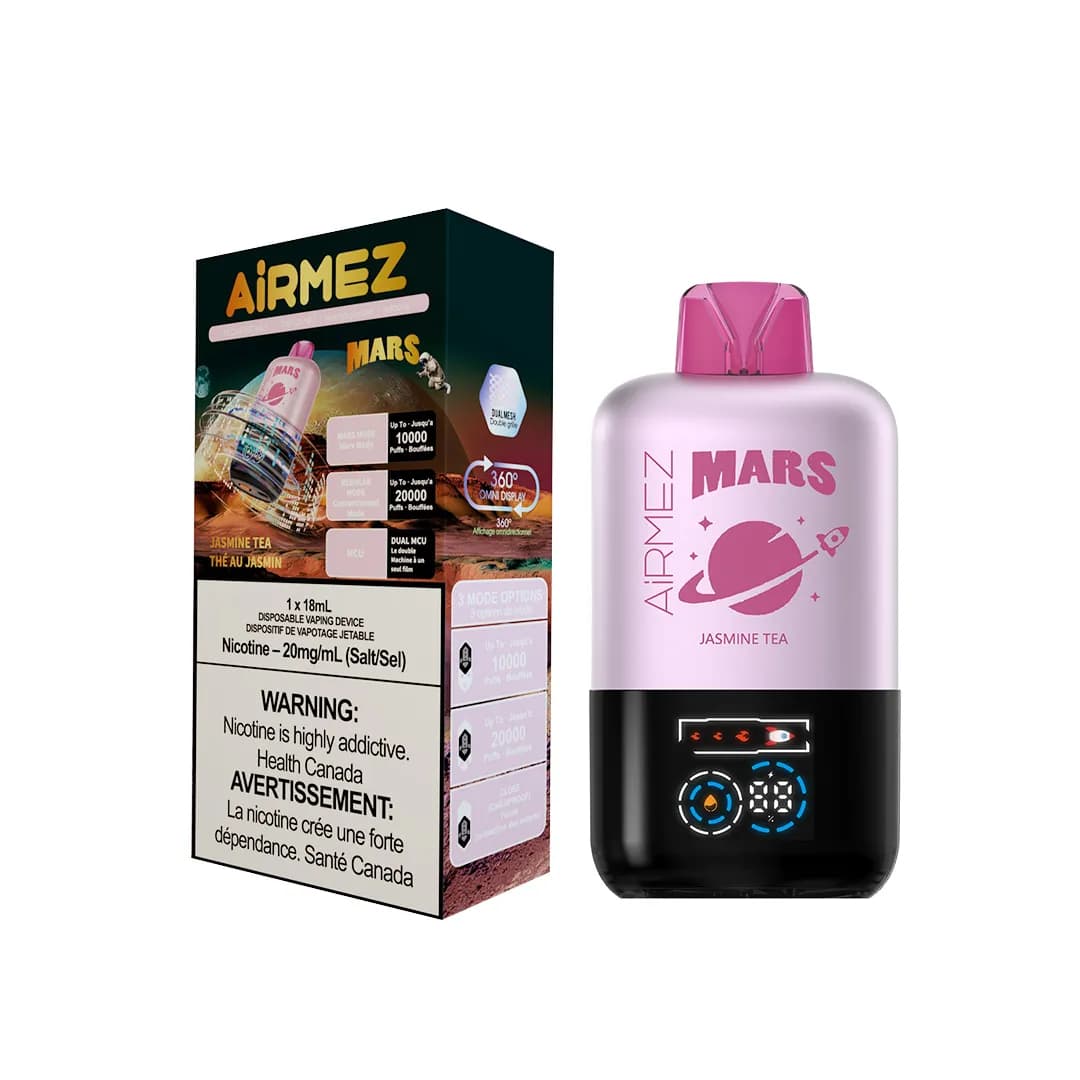
Tea-Flavored Vapes: The Ultimate Guide to 27 Premium Tea Vape Flavors
Discover 27 premium tea-flavored disposable vapes from AiRMEZ, iMiX, Tovi Zero & SP2S. Jasmine, Oolong, Longjing, Matcha & more. Compare brands, flavors & puff counts.
Best Disposable Vapes in Canada 2026: Top Picks by Puff Count
Discover the best disposable vapes in Canada for 2026. From 5,000 to 70,000 puffs, we compare FUJI, CoolMax, AiRMEZ, iMiX, Tovi Zero and more.
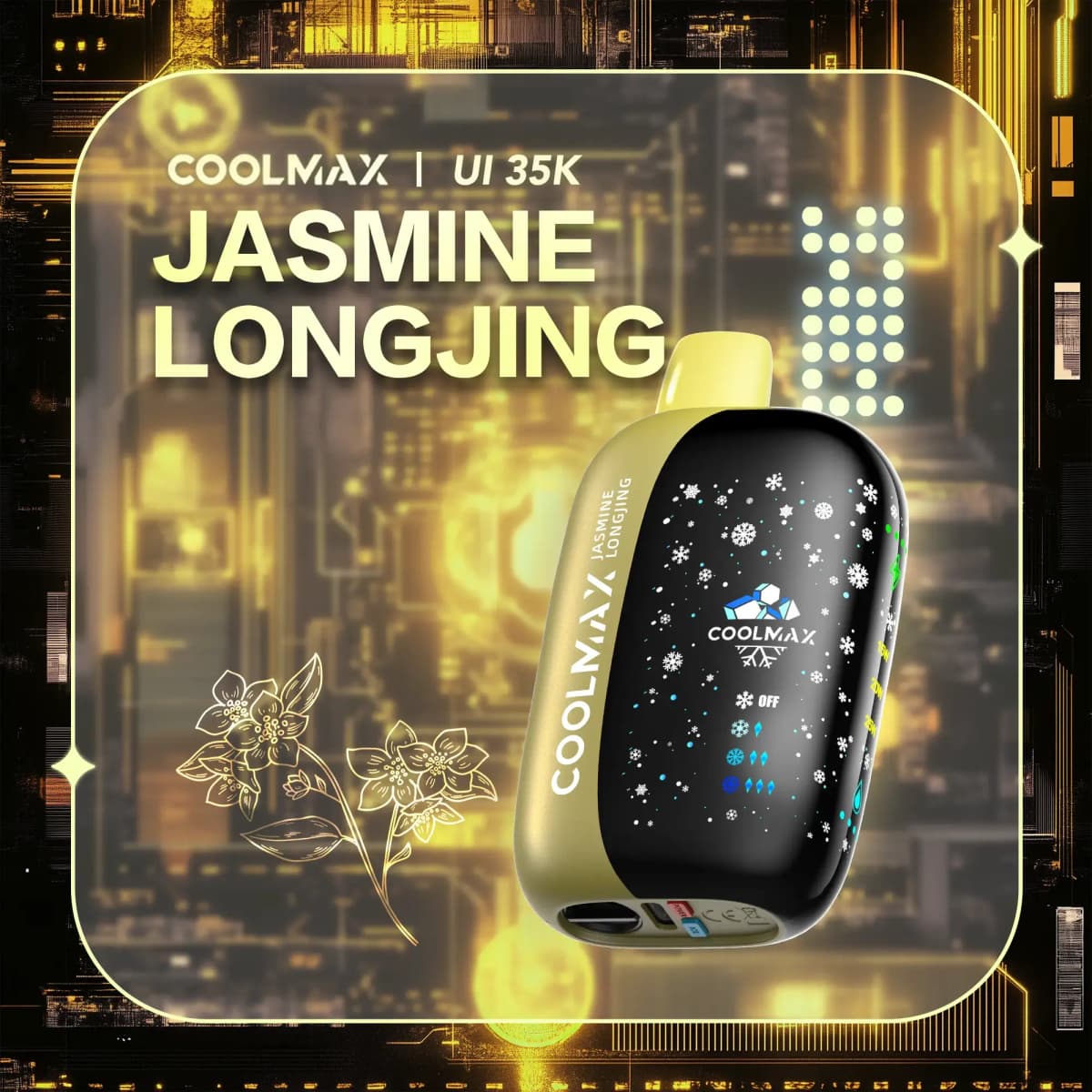
How to Use Ice Control, Airflow & Coil Settings on Your Disposable Vape (2026 Guide)
How adjustable ice control, airflow and mesh coils actually change your vape — settings explained for Canadian disposable vape users.
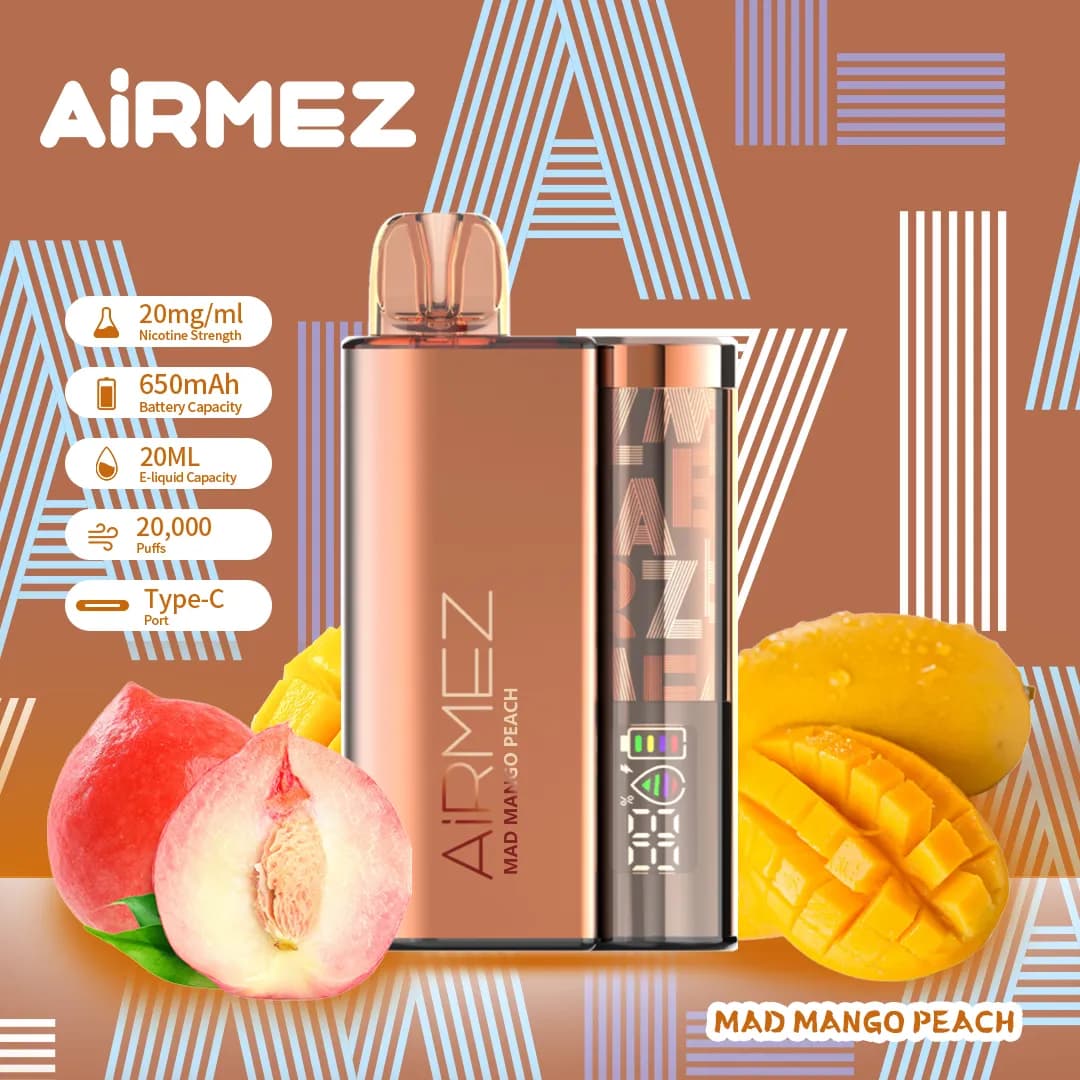
Best Fruit-Flavored Disposable Vapes in Canada 2026: 40+ Flavors Ranked
The best fruit vape flavours in Canada for 2026 — watermelon, mango, lychee and berry picks from $13.99, with puff counts and nicotine strength compared.

Best Mint & Ice Disposable Vapes in Canada 2026: 15+ Cooling Flavors Ranked
The coldest mint and ice vape flavours in Canada for 2026 — from mild cooling to extreme menthol, with devices, prices and puff counts compared.
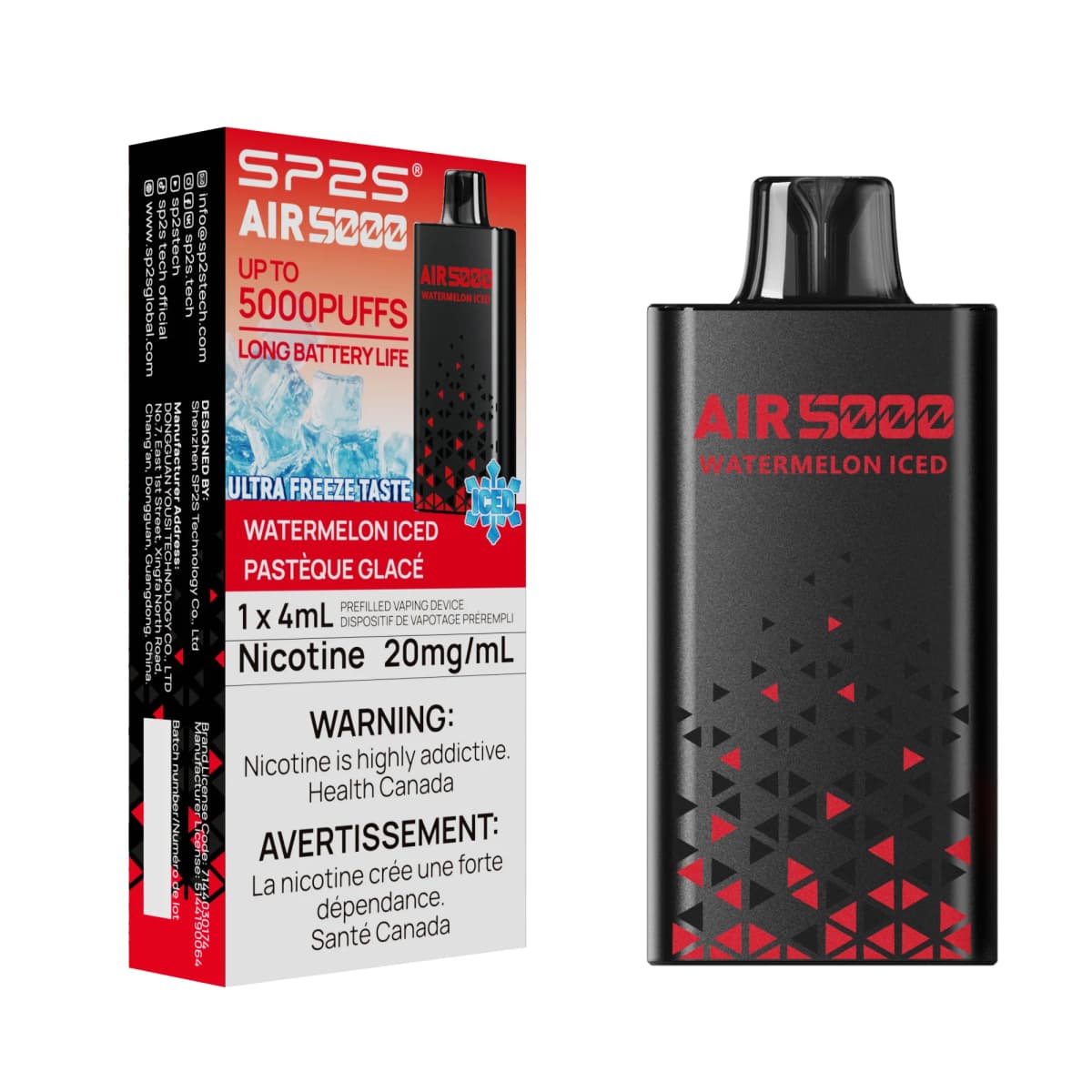
SP2S Air 5000 Review: All 12 Flavors Ranked by a Real User
Honest SP2S Air 5000 review — we tested all 12 iced flavors and ranked them. 5,000 puffs, 13mm ultra-slim body, mesh coil. See which flavor wins in Canada 2026.